
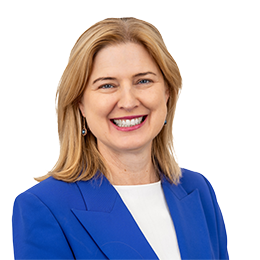
Interview with Fiona Breen, ABC Tasmanian Country Hour
23 October 2026
E&OE TRANSCRIPT
RADIO INTERVIEW
ABC TASMANIAN COUNTRY HOUR
FRIDAY, 23 OCTOBER 2026
SUBJECTS: Funding for rural financial counselling services, H5 bird flu, impact of Middle East conflict
FIONA BREEN, HOST: Federal Agricultural Minister Julie Collins has been in Richmond today making some announcements. She joins me on the line. Good afternoon, Minister.
JULIE COLLINS, MINISTER FOR AGRICULTURE, FISHERIES AND FORESTRY: Good afternoon, Fiona and to your listeners this afternoon.
BREEN: Thank you for joining the Country Hour. Now, it sounds like you've actually got some good news.
COLLINS: I do indeed. We're announcing today that we will fund over $100 million for rural financial counselling services. So, this is to extend those services for five years of funding. And the five years of funding is important because it provides certainty to the organisations on the ground and make sure that they have the specialist counsellors on the ground in the places where our farmers and people living in regional rural communities need them. So, this is good news. Over $2.8 million of it will be coming to Tasmania. So, I'm sure that Tasmanian farmers will also be pleased to hear that this is there. And the Rural Financial Counselling Service is of course available for farmers all of the time. So, that's farmers, whether they're having a tough time or whether they're innovating, want to expand or change their business or diversify their business, the rural financial counselling services available there to provide them with some advice.
BREEN. So, similar money for similar organisations around the nation, have you noticed or have you had feedback that demand has been high?
COLLINS: Well, certainly in the last financial year it helped over seven and a half, or around 7,500 Australian farmers. We do know that around 95 per cent of people that access the program are actual farmers on the ground and here in Tasmania, Rural Business Tasmania has been providing this service now for around 40 years and so they'll be able to continue to do that on the ground for the next five. We know obviously the weather's impacting. We've had the reports about possible El Niño, heard farmers on ABC Radio this morning saying that they hope they get a bit of rain this weekend because they're harvesting. So, certainly we understand the weather's been impacting, but we've also had increased input costs because of the war in the Middle East. And we've also got farmers dealing with a range of, you know, pests and diseases such as the bird flu and other things. So, we certainly understand that some farmers are under pressure and this is about making sure that support is available for those farmers at the point in time in which they need them and providing certainty of that.
BREEN: Yeah, that's fantastic. And we're going to talk to Elizabeth Skirving from Rural Business Tasmania shortly. But, Minister, if I could, you mentioned bird flu before. Can I just ask, is there any update on Macquarie Island? I know, we had an elephant seal and a gull confirmed to have bird flu so far. Obviously there's no one on the island now. But you've got cameras there. Have they shown anything?
COLLINS: I haven't had any reports at all through the Chief Vet of any further casualties on Macquarie Island. So, the number of positive events for Tasmania sits at 53 and that includes obviously Macquarie Island. But we continue to work with the relevant government agency, the Antarctic division and their department, the Department of Environment, and mine and the state government in relation to Macquarie Island. And we certainly, we continue to work very closely with state and territory governments on our response to the bird flu on the ground.
BREEN: And obviously some of those Macquarie island expeditioners are unhappy about having to come back. They're worried about, you know, bird flu down there. They'd like to be there. Had you thought about this when they went back in April?
COLLINS: Certainly from Minister Watt and his department's point of view, it was a decision that wasn't taken lightly and it was a decision in relation to making sure that their health and wellbeing and safety of people was taken into account and that the facility would still be able to be monitored on that island. So, that is why the cameras are there and they're able to monitor that remotely. But certainly it was all about the safety of the people on the island that that tough decision was made.
BREEN. So, made after they left to go down?
COLLINS: Yeah, yeah, that's right, yes, after they left to go down. That's correct. Just once the bird flu hit Australia, obviously, and we've seen it move about. I mean, we've now had over 720 events nationwide and the four states who seem to be most impacted at the moment are South Australia, Victoria, Tasmania and New South Wales.
BREEN: Right, okay. Now just, you also mentioned harvests. Obviously, we're at sort of peak harvest time for some parts of Australia and certainly getting into it soon in Tasmania. Diesel prices are high and we're certainly learning about concerns across Australia from farmers about, you know, harvesting while these diesel prices are high. What do you say to farmers about that?
COLLINS: What I would say is that we understand that the input costs have risen due to what is happening in the Middle East. And certainly what you've seen from our government, of course, is to make sure that we prioritise securing fuel and fertiliser. And we've done that. I have regular meetings with the farming sector in relation to what is happening in the Middle East and we get an update regularly from the Petroleum Institute in terms of our petroleum supplies and my department now is monitoring the fertiliser and of the current season, we have over 100 per cent of the fertiliser we need in Australia. So, that is, I know, good news for farmers, but obviously the price is impacting them. But we certainly have, I think, around 33 days of diesel in Australia at the present time. And obviously we have more ships on the water coming. Unfortunately, the global prices we can't influence, given what is occurring in terms of the Middle East. But certainly we do have support available for our farmers all of the time, whether that be our Regional Investment Corporation, our Farm Household Allowance, farm managed deposit schemes, you know, for instance, farmers in Tasmania through the Regional Investment Corporation, we have around $44 million in approved concessional loans for farmers in Tasmania. We've also had recent announcements with the state government, joint funding with the farm business resilience and the drought planning, which is around $10 million for Tasmanian farmers. So, there are other supports and other things available to provide certainty for farmers and support for farmers when they need it most.
BREEN: Okay, so no concern at this point that there might be a slowdown of those fuel shipments?
COLLINS: Well, certainly they're on track and they've been fairly consistent since the war in the Middle East broke out. And we're doing everything we can do to secure those supplies. I think at last report I had, we had about 48 ships on the water and that the ships arriving this month were consistent with the average we've received over the last couple of months.
BREEN: Julie Collins, Minister for Agriculture, thanks so much for joining the Country Hour.
COLLINS: Thanks for having me on. Thank you.