
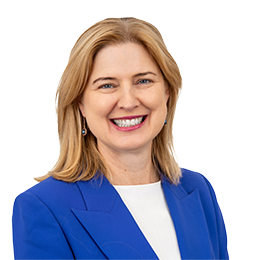
Interview with Leon Compton, ABC Tasmania Statewide Mornings
1 December 2025
E&OE TRANSCRIPT
RADIO INTERVIEW
ABC TASMANIA STATEWIDE MORNINGS
MONDAY, 1 DECEMBER 2025
SUBJECTS: EPBC reforms; Forestry Growth Fund
LEON COMPTON, HOST: Julie Collins, Minister for Fisheries, Forestry, Agriculture. Good morning to you, Minister.
JULIE COLLINS, MINISTER FOR AGRICULTURE, FISHERIES AND FORESTRY: Good morning, Leon. And good morning to your listeners today.
COMPTON: It's a question we asked of environment colleague only last week. Is the deal that you've struck with the Greens to pass these environmental changes designed to hasten the end of native forest logging in Tasmania?
COLLINS: No, it's not. What it's designed to do is to get recognition that we're harvesting our timber in Tasmania at the highest national environmental standards, and that will be accredited through a process with the state government for the RFAs. And it's also a significant investment to make sure that our industry remains strong going into the future. We don't have enough timber in Australia, Leon, and we need to make sure that we're utilising every piece of timber fibre that we extract for the best use possible, for the highest part of the value chain possible, including for our housing and construction sectors. So, we need to make sure that we do have timber going forward in this country. That's what our investment of the $300 million is all about, $150 million towards retooling and support, and money to support workers and money to support that retooling of those mills around the country.
COMPTON: Why is it that some people in the industry that we speak to, and to be fair, some of them are concerned, some of them are saying we have concerns, but we need to hear more. Why does it seem they think what you have signed with the Greens means significant change for them?
COLLINS: Well, I think there's been a fair bit of misinformation going around, Leon, since the legislation passed the Parliament just Friday last week, and obviously we've had the weekend in between. What we've done this morning is myself and Minister Watt have briefed the industry about the changes to the new national environmental laws and the EPBC changes that were passed to Parliament. We've had a very fruitful discussion this morning. We had over 40 representatives, either in the meeting or online today, where we talked to them about what is actually the truth in relation to the legislation that has passed the Federal Parliament. We've been very clear we've done what we always said we would do, which is to bring Regional Forest Agreements into, and to the national environmental standards. That is what we will be doing. But we also want stronger outcomes for business and for the environment. We can do both and that's what we want to see.
COMPTON: The Greens did this deal, Julie Collins, to support your changes to legislation. This was their focus, securing this outcome was their focus. How could it be that they have done this deal, supported this legislation, secured concessions and it doesn't get closer to their objective of reducing or end of native forest logging in Tasmania?
COLLINS: Well, I think that Leon is because we have different perspectives about our industry. I mean the industry are world's best practise. They do have the highest environmental standards, and we’ll go through a process of accrediting those. I think the point is, the others have an ideological position where they don't think that is the case. What we want to do is we want to support the industry and we want it to have strong environmental outcomes and strong outcomes for regional communities across Tasmania and indeed across Australia.
COMPTON: You'd spend as much time as anyone looking at the wood chip pile at Burnie. I'm just thinking back about your earlier answer. Is your point that you do not want to see anything from native forests being exported as wood chips to markets on the mainland or particularly overseas? Is that one of the goals out of these changes?
COLLINS: Absolutely. We want to do more value adding here in Australia and here even in Tasmania, if that's possible, Leon. What we want to see is the best utilisation of every piece of timber fibre that we extract. We have a shortage of timber, we're importing from overseas countries a lot of timber that is not up to the standards of forest practices resources that we have in Australia today. So, we need to make sure we're getting the best use of the existing fibre resource that we have in Australia today.
COMPTON: Julie Collins, is this in your dream, is this the end of the exporting of masses of plantation logs through the wharf in Hobart? You can look there at any time and between shipments, growing piles of what are they a bit over a foot, maybe 14 inch diameter logs that come out of plantation estates that we cannot use here and are being sent overseas at what we understand is relatively low value. Do you want to see that end?
COLLINS: What I want to see Leon is more value adding of the raw products here in Australia and that is why we've also added forestry and timber as one of the Future Made in Australia pillars. So, that will be really critical in terms of accessing the National Reconstruction Fund and further investment from the Commonwealth Government because we understand that we need to make more and value add more here in Australia. And that is what we want to see in a whole range of products, not just timber.
COMPTON: How much of the $300 million that you’ve allocated for industry evolution will be coming to Tasmania? $300 million? Is it 1, is it 200 million that will come here? How much, Julie Collins?
COLLINS: Well, we'll work through that with industry. We're obviously talking about Regional Forest Agreements. They primarily exist in Tasmania and NSW. But certainly what we want to do is invest in the industry more broadly as well as here in Tassie. So, as a Tasmanian, obviously, I'd like to see a lot of it come to Tasmania. But seriously, what we need to do is to make sure that we get the best value for the taxpayer dollar, and that's what we'll be doing, and I'm sure you'll see plenty of it here in Tasmania.
COMPTON: Appreciate you talking with us this morning. Thank you.
COLLINS: Thanks very much, Leon.