
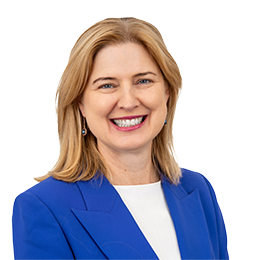
Interview with Warwick Long, ABC Victorian Country Hour
9 December 2025
E&OE TRANSCRIPT
RADIO INTERVIEW
ABC VICTORIAN COUNTRY HOUR
TUESDAY 9 DECEMBER 2025
SUBJECTS: National Food Security Strategy
WARWICK LONG: The National Food Council has met for the first time, an important group that’s looking at Australia’s food security at a national federal government level. To tell us more about it, the Agriculture Minister, Julie Collins can join you for a few minutes on the line. Julie Collins, welcome back to the Country Hour.
JULIE COLLINS, MINISTER FOR AGRICULTURE, FISHERIES AND FORESTRY: Good afternoon, Warwick. And good afternoon to your listeners today.
LONG: What is the National Food Council trying to do?
COLLINS: What we want to do is work on Australia’s first National Food Security Strategy, Feeding Australia. We know that some of the states and territories, and certainly internationally a lot of countries have a food security strategy. This is a first for Australia, though. We’ve not done this before. What we’ve got is a skills based board, around 11 people on it. Ten of them were at the meeting yesterday when we had our first meeting, where we’re looking at Australia’s food system from inputs to production, to our farming and farmers and production. All the way along the supply chain to the end consumers to have a look at our food system. We obviously have great safe food in Australia, and what we want to do is make sure that we have that available in the future and make sure that our food system is strong and robust for any of the threats that might come at it, whether that be things like biosecurity, whether it be climate change or a whole range of things that we have seen in the past.
LONG: Yeah, so what’s food security? Is it the ability to produce food? Is it having enough in times of conflict? Is it having enough in times of a shock like COVID? What’s food security to the government?
COLLINS: That’s what we were talking about yesterday, actually, Warwick. It was a discussion about how are we going to measure success, what are we going to measure what is food security, how do other nations do it, and what sort of data are we going to collect around food security. So we’re at the initial discussion stages of that. Certainly the things that Australians tell us they want is convenience, obviously price and safety are really important, and sustainability of the system is also important. So what we want to do is have a look at that entire food system, have a look at the weaknesses in it and the threats to it and the risks to it and then say, okay, well, can we mitigate those, should we mitigate them, are the mitigations cost effective, and who should bear the costs of that mitigation or is this a joint thing that we’re all going to have to share together? And what the priorities of that are.
LONG: So, what are the priorities then? What was identified yesterday?
COLLINS: We’re at the initial stages of that. We’re having a look at what are the things in terms of input to production. Well, there are obviously people, in terms of skilled labour. There are obviously things like fuel and fertiliser and chemicals and things that we need that Australia doesn’t produce in terms of sovereign capability. The risks to those supply chains that we need to mitigate. Things like we’re going to make sure that we have enough perishable, nutritious foods that people need to eat every day. Are they affordable, are they affordable equally to all Australians was discussed. We were discussing our food manufacturing system. We were also talking about the future of our food security like, you know, we’re talking about today, but where do we want to be in 10 years and 20 years’ time, as our food security system has got to be agile enough to be able to get us there with changes to technology and AI and all the different innovations that are going to come between now and then, and how do we make sure that we do have convenient food that’s safe and affordable for the vast majority of Australians. But, importantly, as a trading nation, we also export around 70 per cent of it, because we’re fortunate that we can produce enough food for Australia several times over. We are also feeding our global neighbours and how important that is to the nation’s national security, too. There was a very broad-ranging discussion yesterday. As I said, we’re at the initial stages. This will take around two years to develop. This was a first, very robust discussion that we had yesterday. As I said to the members of the council yesterday, I do expect that we’ll have some very strong opinions and sometimes we won’t all agree, and that’s a very good thing. If we’ve got some debate and some of the topical issues, then that’s a good thing because it means our food security strategy has been tested and is robust. There’ll be lots of discussions and consultations with experts in various fields as we go about developing the strategy, and we want to take the time to make sure we get it right.
LONG: And it will be really interesting to see how that process goes from here. I’ve got to go to the weather in just a couple of minutes, but before I go, I’ve got a stack of paper in front of me from people criticising who you’ve put on this Food Council. The Australian Agroecology and Food Sovereignty Alliance say this shows that the food industry is captured by corporate greed. I’ve got a Uni of Adelaide health expert saying it shows that you’re not showing enough public health considerations in a food instance. I’ve got a group of farmers saying there’s no real farmers on this board. And I’ve got another one saying there are too many ag manufacturing industry reps. That’s from Rachel Cary from the University of Melbourne. Has a lot of that criticism about who you’ve chosen for this made it to your desk?
COLLINS: Obviously, I’m aware of those public comments, and we had a bit of a discussion about it yesterday. Certainly, as I said, it’s skills based. We do have people representing all of those different groups and interests that you talked about. Frankly, Warwick, I think it’s a fabulous thing that we have so many people interested in this food strategy and the fact that we are discussing having a food strategy for the first time. There’ll be ways for people to have their input. We’ve already had a discussion paper out which had well over 300 submissions. In terms of the Food Council itself, that was, again, a public expression of interest – over a hundred people. The department went through a skills matrix of the skills and expertise that we need on this council. We did a bit of a correlation of that. There were interviews undertaken. It’s been a pretty robust decision to get to the council membership to where we are today, and I think everybody on it brings some amazing expertise to the table. Does that mean we’ve got every skill and every expert that we need at the table? No, otherwise it would be just unwieldly and too large. But we will be consulting with various experts in various areas as we go along and develop this strategy.
LONG: Well, it’s been good to talk to you again, Julie Collins. Thanks very much for your time.
COLLINS: Thanks very much, Warwick.
LONG: Julie Collins, who is the Federal Agriculture Minister, speaking to you here on the Country Hour. The first meeting of the National Food Council, looking at Australia’s biosecurity and food security future, mainly food security - I think I just accidentally added biosecurity there because we’ve been talking about that earlier in the show. Looking at food security and what that means. Identifying what that means is a really big question, right? So that’s a really important one to ask. But then also having a look at the future and what this means and who’s on it. I think we’ll be talking about that for another year or so together, won’t we?