
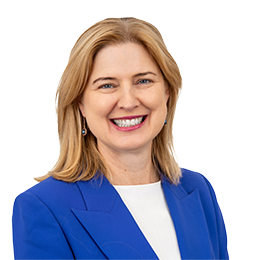
Interview with Andrew Clennel, Sky News
13 April 2026
E&OE TRANSCRIPT
TV INTERVIEW
SKY NEWS SUNDAY AGENDA
SUNDAY, 12 APRIL 2026
SUBJECTS: Conflict in the Middle East, Fuel and Fertiliser for Farmers, Former ADF member charged, Housing tax reform
ANDREW CLENNELL, HOST: Well, joining me live from Hobart is Agriculture, Fisheries and Forestry Minister, Julie Collins. Julie Collins, thanks for your time. Let’s start with the visit of the PM to Singapore and other Asian nations next week. Does this make a meaningful difference to our fuel supply and how does it?
JULIE COLLINS, MINISTER FOR AGRICULTURE, FISHERIES AND FORESTRY: Well, obviously, since we’ve been in Government, Andrew, we’ve been about restoring our international relations and doing that careful and considered work. And clearly, as a Government, since the war in the Middle East, we have been doing everything we can do to shield Australians as much as possible from the effects of it, but they are being felt globally, and that means, obviously, that we’re engaging with our international partners, as you would expect us to. And certainly, I think the Prime Minister’s visit to Singapore late last week has shown already the rewards in terms of the careful, considered approach we’ve taken to our international relations since we’ve come to office.
CLENNELL: Alright, well, we’ve got this fuel campaign. $20 million, it’s been reported, is the advertising campaign announced today. Can you tell us about that?
COLLINS: Well, this is about responding to Australians who are saying to us that they want to help. They know that we’re all in this together, that this is impacting right across the globe. And so many Australians want to do what they can to help. And this is really, you know, a Team Australia moment where all of us can do a little bit and every little bit helps. We’re obviously doing the careful work, as Minister Bowen outlined yesterday, to secure Australian fuel supplies and doing that work. But this is about how Australians can help. Everyday Australians can help and the little things that they can do that will make a big difference, and to make sure that our fuel continues to flow and that we have, importantly, fuel going to the regions for our farmers and for our essential supplies right across the country.
CLENNELL: So, in your portfolio, you’ve been particularly concerned with the supply of urea to Australia for fertiliser, with 60 per cent of our urea coming through the Straits of Hormuz. Can you talk us through what the government is doing in relation to this and how urgent this situation is?
COLLINS: Yes, well, as you indicated, 60 per cent of Australia’s usual supply of urea does come through the Strait of Hormuz. So, it has been an issue that industry has been raising with me. I’m meeting regularly with our farmers and our fishers and primary producers right across the country, and this has been raised. We’ve now established a fertiliser working group across Government that is working very closely with the fertiliser industry about ensuring that we can secure supplies of fertiliser wherever possible. There’s enough fertiliser in Australia today and on its way on the water in terms of the initial planting season. But this is about longer-term supplies because of the unpredictability, and we don’t know how long this is going to go. We’re obviously doing that careful and considered work about dealing with the immediate challenges, but also planning for the medium and the long term to make sure that we can get the fertiliser that we need for Australia. And obviously we’re doing everything we can do in that regard. And again, we’re having discussions with our international partners and overseas governments and businesses right across to make sure that we can secure the fertiliser that we need.
CLENNELL: Which countries are we talking to?
COLLINS: Well, obviously around South-East Asia we’re talking to a range of countries in relation to fertiliser. There’s been some discussions with Indonesia, there’s been some discussions with Malaysia, but more broadly across South-East Asia.
CLENNELL: David Miliband is an international official now, former British politician. This week he called what’s going on with urea failing to get through, the fertiliser material, he called it a food security time bomb. Because if you don’t have enough urea, you don’t have enough fertiliser. If you don’t have that, you don’t have enough grains and you can’t feed beef and sheep. How far are we down the road on this? What happens in a couple of months, even if the war ends soon? Is there a tail here?
COLLINS: Well, there’s obviously always going to be a tail to this war, but as a country we are more food secure than a lot of other nations. Australia does produce more food than we consume, but obviously there are critical points along that supply chain. And as I said, we’re doing everything we can in terms of supporting our farmers, particularly in terms of accessing fertiliser wherever possible and obviously in terms of sovereign capability in the future. We have obviously invested in the Perdaman facility which will be able to produce urea here in Australia from mid next year. So, we are working, as I said, on the immediate challenges, but also the medium and the long term here.
CLENNELL: There were opportunities for your government post-COVID to work a bit harder on resilience, on getting more domestic petrol supply here, on getting more urea manufactured here. Do you concede the Government hasn’t done enough on resilience?
COLLINS: We’ve done an enormous amount since we’ve come to Government in terms of resilience. I mean, there were obviously learnings out of COVID, but certainly with our Future Made in Australia, with the National Reconstruction Fund, we are investing here in further sovereign capability in Australia. And the fact that the Perdaman facility is coming on next year is evidence of, you know, us working with industry across the Australian economy to make sure that we actually have more sovereign capability here in the country. You know, we made the decision in terms of getting more fuel reserves here in Australia. We’re now sourcing more supply for Australian fuel. Minister Bowen gave his weekly update yesterday about those fuel supplies over the next four to six weeks. And we’re doing everything that we can do as a government possibly to shield Australians as much as we can.
CLENNELL: How much more in the way of funds will there be in the budget for this type of resilience?
COLLINS: Well, obviously the National Reconstruction Fund has made some investments and we have been working and talking to industry. The Future Made in Australia, you’ve seen that in previous budgets. Certainly we want to see more value-adding here in Australia and making sure that we have that sovereign capability along the food supply system. The government and my portfolio is also working on a food security strategy. We’ve asked for a short-term report in terms of the impact of diesel in relation to food security. And we’re also working on a longer-term food security strategy right across Government to make sure that we’re doing everything we can do as a government. We’re one of the few nations without a food security strategy. So, it’s been our government that has instigated that.
CLENNELL: Do you agree with the estimates that groceries could go up 20 per cent because of the war?
COLLINS: Well, obviously we know that there will be a flow-through in the economy and, as I said, we’re doing everything we can to shield Australians as much as we possibly can. Since we’ve come to Government, we’ve obviously done the Food and Grocery Code to make sure that everybody along that food supply chain gets value for their inputs. You know, we’ve heard a lot from farmers in recent weeks about their input costs and how that is impacting them. There have also been discussions obviously with the big supermarkets in relation to trying to put downward pressure on prices for consumers. But certainly, you know, the Food and Grocery Code and the work that we’ve done as the government with the ACCC and the work that we’ve done in terms of unfair contracts and the work that we’re in the process of doing in terms of unfair trading terms is about supporting farmers and about primary producers and small businesses.
CLENNELL: Do you think they could go up 20 per cent, though? Is that possible?
COLLINS: Certainly that’s not the figures that Treasury is modelling at the moment. But, you know, this war is unpredictable. We don’t know how long it’s going to go for, Andrew. And what I would say is that we’re doing, as a Government, everything we can to shield people. You’ve seen us already cut the fuel excise, as you said. We’ve got tax cuts coming in from 1 July this year. As a government, we’re doing everything we can do to shield Australians as much as we possibly can.
CLENNELL: What is the number Treasury’s modelling then? If it’s not a 20 per cent increase, is it 5 per cent, is it 10 per cent?
COLLINS: Well, I think that the Treasurer, I think, has said it’s around 3 to 4 per cent at the moment in terms of the impact of what is happening with the input costs of diesel going up. And we know that fertiliser input costs are also significant. So, we do know that, you know, this is impacting. And as I said, the big supermarkets at the moment, they’re telling me, are trying to put downward pressure in terms of trying to protect consumers from those price increases at the moment.
CLENNELL: From what you’ve just said, could we see groceries go up 5 to 10 per cent, say?
COLLINS: Well, as I said, we’re doing everything we can do, Andrew, to shield Australians as much as possible. We’re working with industry, you know, we are doing everything that we can do. We’ve got the Food and Grocery Code, we’ve got the ACCC.
CLENNELL: I understand, but how much do you think grocery prices are going to go up because of this war?
COLLINS: Well, it depends on how long it goes for, Andrew, and it depends, you know, on the impact further down the chain. Certainly, what we’re seeing at the moment is an initial impact. As I said, what we’re doing at the moment is trying to shield Australians from that. We’ll continue, obviously, as a Government, as this situation continues to evolve, to reassess, as you would expect us to do.
CLENNELL: Right. What do you make of the way Donald Trump has conducted the war and the negotiations? What do you think of where the ceasefire’s at? There was a story in The New York Times yesterday that the Straits of Hormuz can’t be reopened because Iran doesn’t know where it’s planted all the landmines. What do you make of some of the language the President’s used?
COLLINS: Well, I think the Prime Minister has made some comment about that, but essentially what I would say is that, you know, the US and Iran are those that are currently negotiating around the Strait of Hormuz. I think most people want to see freedom of navigation back through the Straits of Hormuz and those essential supplies that we’ve talked about flowing back through the Straits of Hormuz. And that’s certainly, I think, what the vast majority of us want to see. We know that this ceasefire has been fragile and obviously what we want to do is to see the ceasefire continue and to see that strait reopen.
CLENNELL: I wanted to ask now about Ben Roberts-Smith, that case. There’s been some criticism around the fact he offered himself up for arrest and instead there was this public show of him being arrested at the airport, including in front of his kids. Does the Government have any concerns about the way this was handled?
COLLINS: Well, obviously, you know, given that this matter is before the courts, it’s not appropriate for me to make a comment or running commentary on that. What I would say broadly is that, you know, this has been led through the Office of the Special Investigator and through the AFP, that we have confidence in the way that they’ve gone about their business.
CLENNELL: So, you’re not concerned about the public show of him being arrested?
COLLINS: Well, that would be a matter for the AFP, I think there, Andrew, for the AFP to talk about that. I’m not aware of the details of how this occurred other than the reports that you are talking about, but what I would say more broadly is that this matter is before the courts and it’s probably not appropriate for me to run a commentary on it.
CLENNELL: Pauline Hanson has launched a staunch defence of Ben Roberts-Smith and said he should never have been charged, basically. What do you make of that?
COLLINS: Well, Pauline’s responsible for her own comments and it’s up to her to explain them. What I would say is what I have said previously, and that’s, you know, as a Minister of the Crown with a case before the courts, it’s probably not appropriate for me to be running commentary on the matter.
CLENNELL: Finally, Julie Collins, as a former Housing Minister, how do you feel the proposals that have been floated around, changes to negative gearing and capital gains tax, might affect the opportunities for first home buyers? Would it make a substantial difference or is it more just a signal from the Government to first home buyers that you’re having a crack for them?
COLLINS: Well, obviously, as a Government, our immediate response has been on supply, supply, supply, and you’ve seen that in our significant investments into the housing sector and, you know, over $40 billion now going into getting more homes out of the ground as quickly as we possibly can. We don’t underestimate the challenge of that. But certainly those investments are hitting the ground. What I’d say more broadly in terms of tax and the upcoming budget is the Prime Minister has been on the record about intergenerational equity, but our policies haven’t changed. If or when our policies change, they’ll be announced appropriately. But what we’re focused on at the moment is dealing with what’s happening in the Middle East. We’re focused on framing the budget in a way to shield Australians as much as we can in terms of the current climate and the current uncertainty that we’re facing as a nation.
CLENNELL: Agriculture Minister Julie Collins, thanks so much for your time.
COLLINS: Thanks very much, Andrew.
ENDS