
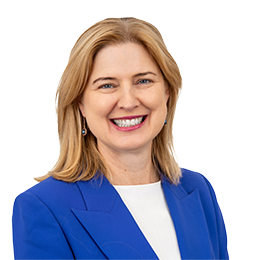
Interview with Alex Thomas, Sky News
17 April 2026
E&OE TRANSCRIPT
TV INTERVIEW
SKY NEWS FIRST EDITION
FRIDAY, 17 APRIL 2026
SUBJECTS: Fertiliser supply for Australia’s farmers and producers, Food security
ALEX THOMAS, HOST: Now, while the Prime Minister returned back to Australia earlier than planned to be briefed on that Geelong oil refinery fire, the Government continues to work to shore up supplies hit by the closure of the Strait of Hormuz, and it's done a deal with Indonesia's Government for extra fertiliser. Let's speak to the Agriculture, Fisheries and Forestry Minister, Julie Collins. She joins us live now. Minister, thanks for your time on Sky News. What's the agreement?
JULIE COLLINS, MINISTER FOR AGRICULTURE, FISHERIES AND FORESTRY: Thanks very much for having us. This is additional supply coming out of Indonesia to Australia. It's 250,000 tonnes and is in addition to our supplies that we already get from Indonesia. Indonesia is already a trusted partner and supplier when it comes to fertiliser for Australia, but given that around 60 per cent of our urea was coming through the Strait of Hormuz, this is very significant for Australia, particularly in light of the current planting season and the decisions that farmers are taking. We do have enough urea in Australia at the moment and on the water for the initial planting season, but this is about future supplies, and we expect this shipment to come in around June, which is terrific news for our farmers and does provide them with some more certainty.
THOMAS: How difficult has your planning been? Because the situation in the Strait seems to change day by day.
COLLINS: Obviously, we've been having a lot of discussions, particularly with our Southeast Asian neighbours, in relation to fertiliser and fuel. You've seen that from our Prime Minister and his visits. We have also been having discussions right across the globe to source, particularly urea, from wherever we can. We've also, of course, yesterday announced that we've changed our biosecurity arrangements to try and get this urea fertiliser into the country much more quickly than we would have otherwise been able to, because we are sourcing it from places where we haven't sourced it from before. So, we're making sure that we keep our biosecurity system strong, but we're also getting additional supplies in from right across the globe, but particularly from our Southeast Asian neighbours.
THOMAS: Has the current crisis made you have a rethink about the long-term areas that Australia gets its supply from in the years ahead, or is it just an acceptance that this is a one-off situation that's out of Australia's hands and we're just going to have to deal with it the best we can?
COLLINS: Obviously, this war in the Middle East is impacting globally, and it's not just Australia. Our job as a Government is to shield Australians as much as we can, and we've certainly been doing everything that we can do. But as our Government has been investing here in a Future Made in Australia and with more sovereign capability, we're certainly looking at our food security strategy. And indeed, in the middle of next year, we will be producing urea from the Perdaman plant in Western Australia. That has been made possible through our $220 million loan facility from the Federal Government. That is good news in terms of sovereign capability of urea going forward. But certainly, we're looking right across our supply chains and working as a country to make sure that we have as much food security in Australia as we possibly can, and we've got a food security strategy in development as we speak.
THOMAS: That's the Agriculture, Fisheries and Forestry Minister, Julie Collins. Thank you.